
It's the first question every client asks, usually within the first five minutes of the site visit, and the honest answer is: it depends. We could stand in two gardens that are exactly the same size, on the same street, and give you two very different numbers — not because one client is being overcharged, but because what's actually involved can be worlds apart. A flat, well-drained plot with good soil and easy access is a different job to a sloped, rocky site that needs retaining walls before a single plant goes in the ground. Here's what actually drives the cost, so you can budget sensibly and compare quotes fairly, rather than comparing two numbers that aren't really for the same thing.
Four typical jobs, and what shapes each one
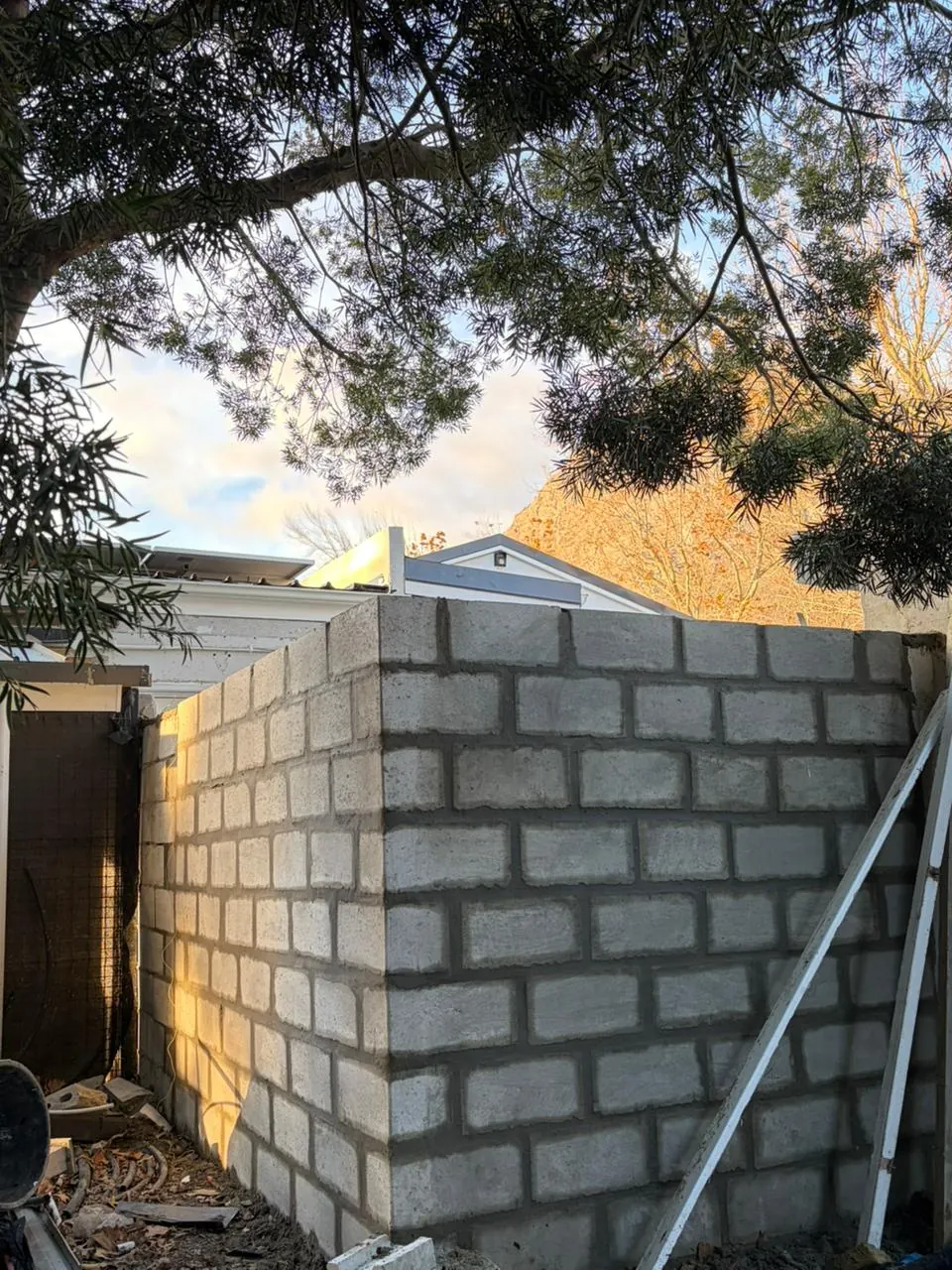
Rather than quoting figures that would be out of date by next season, it's more useful to look at the kinds of project we're asked about and what moves the cost in each. A planting refresh in an existing garden is mostly plants, soil improvement and labour, so cost follows the number and size of plants. A new-build garden starts from bare ground, so levelling, soil, irrigation and paving all come into it before planting begins. A hardscape-led project, such as a retaining wall, steps or a feature wall, is driven by materials and skilled labour, and the planting is often the smaller part. A large estate or guesthouse project adds scale and scheduling, since work often has to fit around guests, and it's usually done in phases, a theme we cover in landscaping for wine estates and guesthouses.
What affects the price
- Size of the area: the larger the area, the more labour, plants and materials.
- Plants: small plants cost less than mature specimens. Large trees and feature plants are a major cost.
- Hardscaping: walls, paving, gabions, steps and water features usually cost more than the planting itself.
- Site conditions: slopes, rocky ground, poor soil and difficult access all add time.
- Irrigation: a drip system and controller add cost up front but save water and plant losses later.
- Lighting: garden lighting is a separate cost and often worth including in the first phase, because it's much easier to install before planting.
- Design complexity: a simple, planted garden costs less than a layered design with several features.
Where the money actually goes
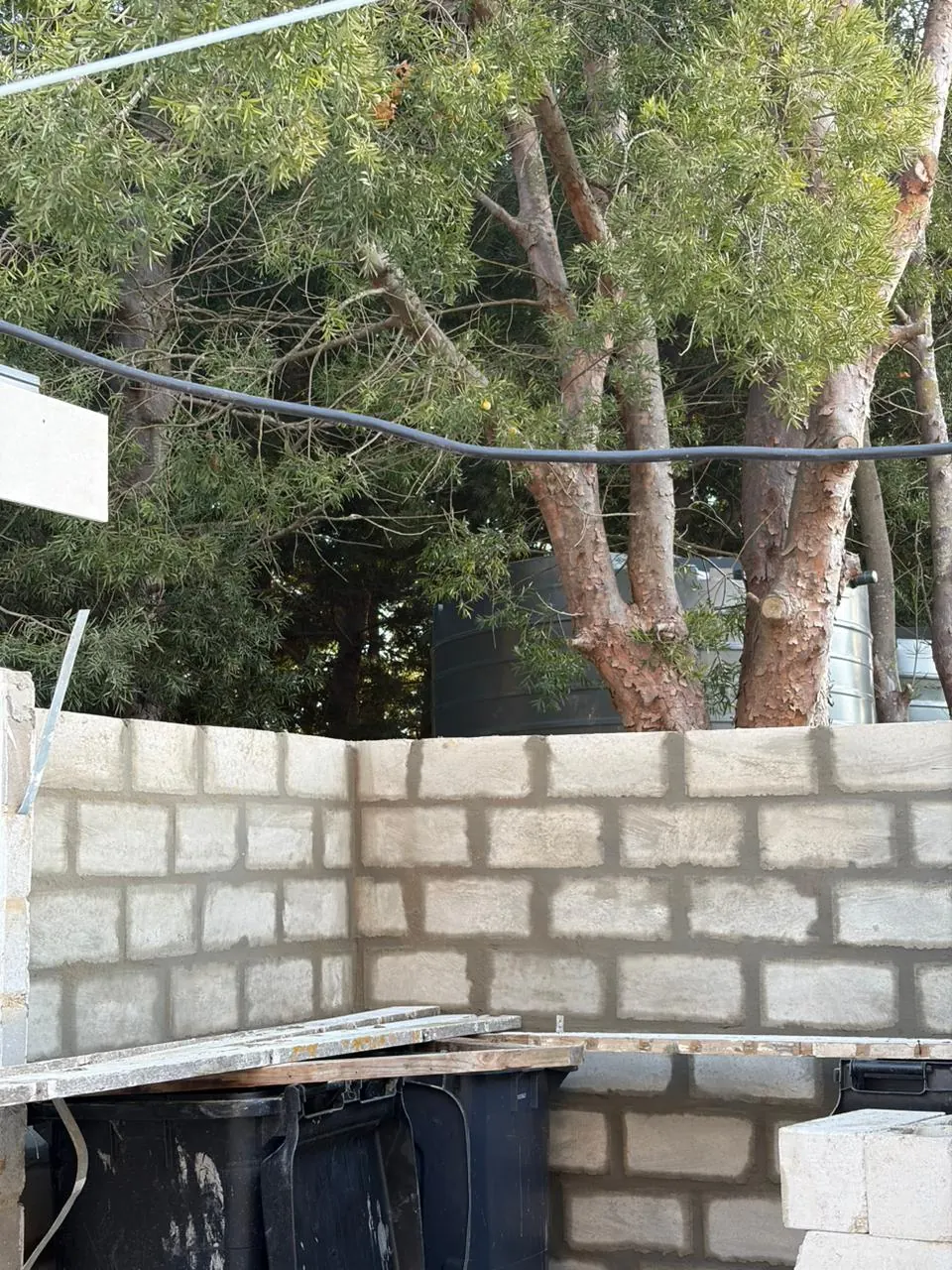
People tend to assume plants are the big-ticket item, and in most gardens they aren't. The structure underneath, meaning levelling, retaining walls, paving, edging and irrigation, usually accounts for a larger share than the planting does, and it's also the part you can't easily change later. Labour is the other major component, particularly for anything built by hand. This is why a design with lots of plants but little hardscaping can come in well below one with a few well-built walls and steps, even though the second looks simpler on paper.
Costs people forget to budget for
- Waste removal. Old plants, rubble and soil have to go somewhere, and it adds up on a big clear-out.
- Soil and compost. Poor ground is often the single biggest reason new plantings fail, and fixing it properly takes materials as well as labour.
- Access. If everything has to be carried a long way by hand, or through a narrow gate, it takes longer.
- Trees. Removing or pruning an existing tree before work starts is a separate job, and our guide to tree removal vs pruning explains what's involved.
- Engineering and approvals. Taller retaining walls may need an engineer and municipal approval, which we cover in our gabion wall guide.
- Electrical work. Low-voltage garden lighting is straightforward, but anything connected to the mains needs a qualified electrician.
What a good quote should include
- A clear scope of work, so you know exactly what's being done.
- A breakdown of materials, plants and labour.
- A realistic timeline.
- What's excluded, and who removes the waste.
- Clear terms on any guarantee or warranty that applies to the work.
Ways to manage the budget
- Phase the project. Do irrigation, structure and key planting first, then add extras over time.
- Choose smaller plants. Fast-growing indigenous plants fill out quickly, and young plants establish well.
- Supply your own plants if you've already chosen them. We're flexible on this.
- Invest in the groundwork. Good soil preparation and irrigation save money later.
On irrigation specifically, it's tempting to treat it as an optional extra, but it's one of the best-value items in the whole budget. A system that's properly planned and installed before planting saves water, protects the plants you've just paid for and avoids digging up finished beds later. Our guide to drip vs sprinkler irrigation explains what the options are, and the water-wise design guide shows how it fits into the wider design. Timing helps too: planting in autumn, as set out in our planting calendar, cuts the watering and replacement costs that come with planting into summer heat.
Two features worth budgeting for separately are a gabion feature wall, which is one of the more popular hardscaping choices in the Winelands, and the general garden installation process, which explains what a typical project timeline looks like day by day.
Why two quotes for "the same job" can look so different
If you're getting more than one quote — which we'd always encourage — the numbers won't be directly comparable unless the scope is identical, and it rarely is. One contractor's quote might include soil preparation, a full irrigation system and clear terms on the work; another might quote only the planting and leave everything else as an assumption or a later add-on. The cheaper number on paper can end up costing more once you've paid separately for the things that weren't included the first time. This is exactly why we itemise every quote rather than giving a single lump sum — so you can see precisely what you're paying for and compare it properly against anyone else's.
Young plants or mature specimens?
The biggest lever on plant cost is size. Large, mature specimens give you an instant, established look but cost far more, and they're harder to transplant. Smaller plants cost much less and, given a season or two, often catch up with the bigger ones because they settle into their new soil faster. A good compromise is to buy a few larger feature plants or trees for structure and use smaller, fast-growing plants for the rest. Many indigenous species fill out quickly, and our indigenous plants guide covers the ones we rely on most.
Lighting is worth a mention too. It's far cheaper and neater to run cables and fittings before planting than to dig them in afterwards, so decide early whether you want it, even if you only install part of it in the first phase.
Budget for the garden after it's built
A new garden needs looking after, especially in its first year while plants are establishing, and it's easier to plan for that from the start. Some clients take care of it themselves, and others book a regular maintenance visit, which we offer as part of our garden maintenance service. Either way, it's worth setting aside a little time and money each season for mulch, pruning and an irrigation check, as covered in our summer-ready checklist. A garden that's maintained well from year one looks better and costs less to keep than one that's left and then rescued.
A simple way to set your budget
- Write a wish list. Everything you'd like, without worrying about the cost yet.
- Split it into must-haves and nice-to-haves. Structure, soil and irrigation go in the first group. Extra features and large specimen plants often go in the second.
- Get itemised quotes. Ask each contractor to price the same scope so you can compare fairly.
- Leave room for surprises. Hidden rock, old pipes and drainage problems are common, so don't spend every cent on day one.
- Phase the rest. Do the foundations first and add layers over the following seasons.
Red flags when comparing quotes
Be wary of a single lump sum with no breakdown, a scope described in one vague line, a quote that doesn't mention waste removal or soil preparation, and any request to pay the full amount upfront before work begins. A reliable quote lets you see exactly what you're paying for, and a good contractor will be happy to explain each line. If you'd like to see how we run a job from start to finish, our guide to the garden installation process walks through it day by day.
Want a number that actually reflects your property, not a generic estimate? We visit within 48 hours and send an itemised written quote shortly after, with no obligation. Browse our full range of services or call or WhatsApp 071 719 1285.
Common Questions
More Blogs
 Guide
 Blog