
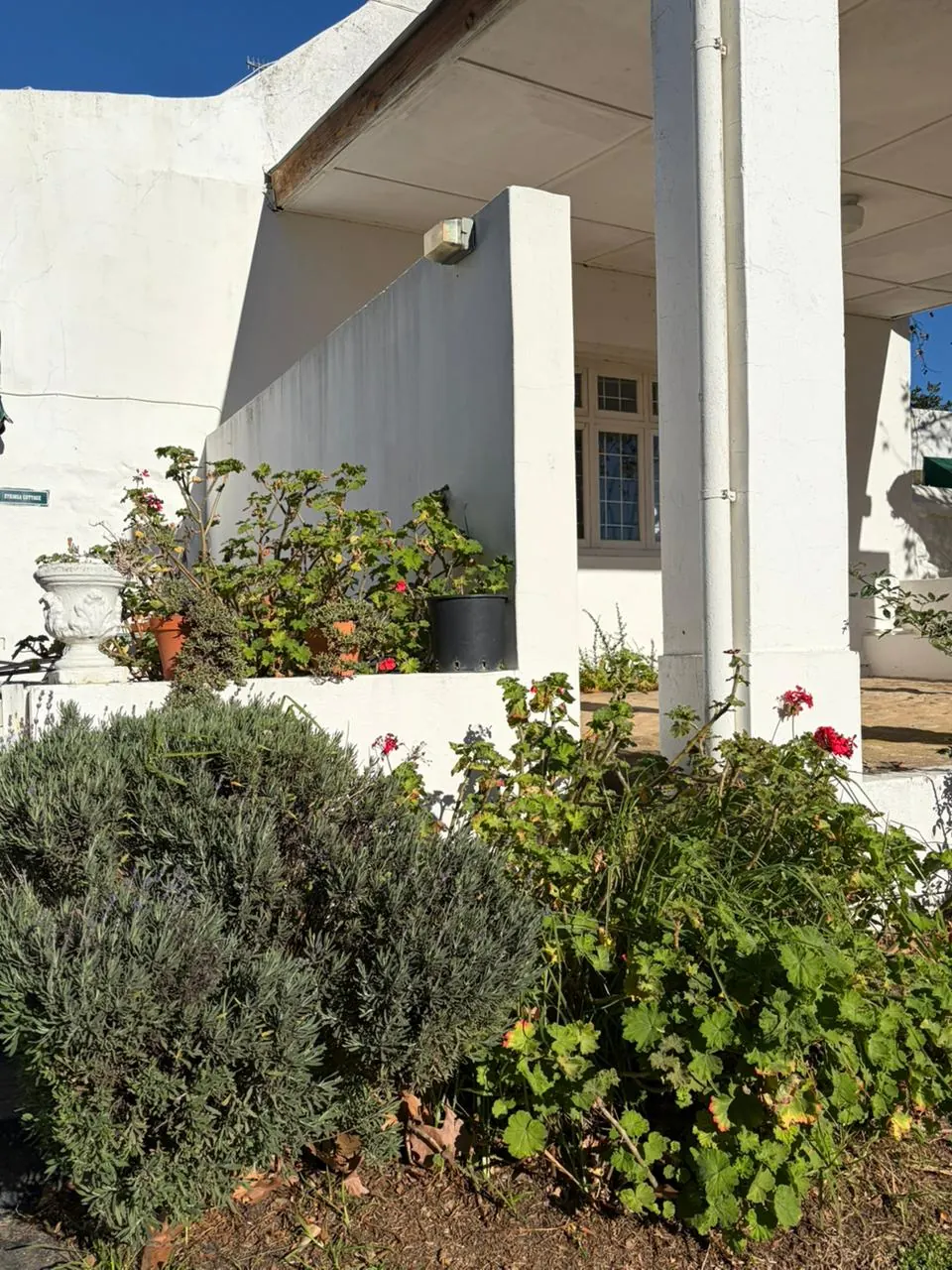
Spring is the window to prepare your garden before the Western Cape heat arrives, and it's a narrower window than people think — by the time the first real heatwave hits, it's too late to catch most of these problems cheaply. A few hours of work now can save plants, water and a callout later in the season when everyone else's garden is also struggling and contractors are booked solid. Here's the checklist we run through on our own maintenance clients every spring.
1. Check your irrigation
Run every zone and actually watch it work, rather than just checking the controller says it ran. Look for leaks, blocked emitters, broken sprinkler heads and anything that's spraying onto paving or a wall instead of the plants it's meant for. Check the timer and reset it to run early in the morning, before the wind and heat pick up. Fixing problems now beats discovering them in a heatwave, when a blocked emitter means a dead plant within days rather than a minor inconvenience — our guide to drip vs sprinkler irrigation explains what each system needs to run properly.
2. Top up the mulch
Winter rain and natural decomposition thin out mulch more than most people realise — a bed that had a generous 8cm layer in June can be down to a thin, patchy covering by September. Top beds back up to about 5 to 8 cm, keeping it clear of plant stems and tree trunks so you're not smothering the base of the plant. It's the single best thing you can do for summer water savings, and one of the core principles in our water-wise garden design guide.
3. Weed while it's easy
Spring weeds grow fast and compete with your plants for water. Remove them before they set seed and the job will be much easier. The easiest time to weed is a day or two after rain, when the soil is soft and the roots come out whole instead of snapping off and regrowing. Pull the whole plant, roots and all, and don't let them go to seed in the bed. A good layer of mulch does most of the long-term work, because it blocks the light weed seeds need to germinate. Be careful with spray herbicides near plants you want to keep, since drift is easy to underestimate.
4. Prune and tidy
Cut out dead, damaged or crossing branches. Prune spring-flowering shrubs after they bloom, and trim back frost-damaged growth. Avoid heavy pruning right before a heatwave, because it exposes plants to sun stress. Use sharp, clean tools so cuts heal quickly, and make each cut just above a bud or a branch junction rather than leaving stubs. Lavender and other silver-leaved plants respond well to a light trim after flowering but resent being cut back into old wood. Roses are best pruned in mid-winter, which we cover in our planting calendar, so in spring you're mainly deadheading and removing any damaged growth.
5. Feed lightly
A balanced feed for lawns and beds supports spring growth. Be careful with fynbos plants such as proteas, which are sensitive to phosphorus, so use a product made for them. For lawns and general beds, a slow-release feed is kinder than a quick-release one, which gives a flush of soft growth that's vulnerable to heat. Water the feed in well, and don't feed once the real heat has arrived, because stressed plants can't use it. Compost worked into the soil surface does as much good for long-term soil health as any bag of fertiliser.
6. Fill gaps and add colour
Early spring is a good time to plant summer perennials and annuals. Choose heat-tolerant varieties and plant them in the morning or late afternoon. See our month-by-month planting guide for the full planting calendar. Indigenous options such as wild dagga, agapanthus and wild garlic cope with heat well, and our indigenous plants guide lists more. If the gaps are large enough that the whole bed needs rethinking, that's a job better planned as a proper project than patched piece by piece.
7. Look at your trees
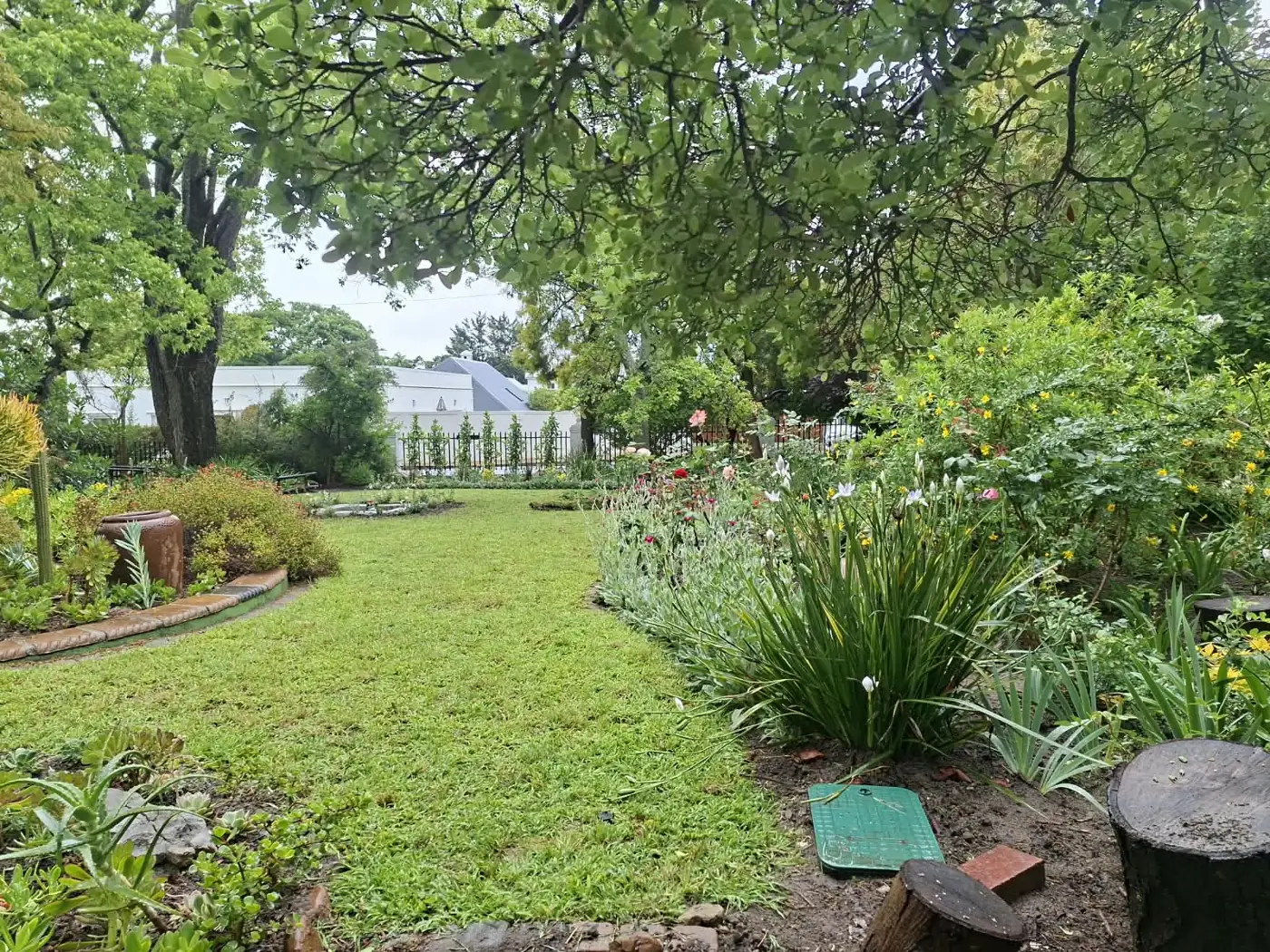
Check for dead branches, heavy limbs over roofs and anything touching power lines. Have problems dealt with by professionals before the summer wind picks up — our guide to tree removal vs pruning explains how to tell which one you need.
8. Clear for fire safety
Remove dry material from around buildings, clear gutters and keep dense vegetation away from the house. Do this before the dry season, not during it. Check that woodpiles and stored materials aren't stacked against walls, clear leaf litter from roofs and gutters, and remove dead or dry plant material from beds close to the house. A well-watered lawn or paved area next to the building is a useful buffer between it and denser planting.
9. Plan your watering routine
Aim for deep, infrequent watering in the early morning rather than a quick daily sprinkle, which only wets the surface and encourages shallow, heat-vulnerable roots. Newly planted areas need more attention than established ones for their first summer. Check your local water restrictions, since these can change from year to year depending on dam levels. As a rough guide, a deep watering once or twice a week is better than a short one every day for established beds, and the soil check we describe in our water-wise guide (push a screwdriver in and see how far the moisture goes) takes the guesswork out of it.
10. Don't forget pots and containers
Pots dry out far faster than garden beds, and they're often the first things to suffer in a hot spell. Group them together so they shade each other, put a layer of mulch or gravel on top of the soil to slow evaporation, and check them every day or two in the hottest weather. A small drip line or a self-watering pot is worth considering for the ones you can't keep up with.
11. Get your lawn ready
Mow a little higher in summer, because taller grass shades its own roots and handles heat better. Never take off more than about a third of the leaf height at one cut, keep the mower blades sharp so the grass is cut cleanly rather than torn, and water deeply and early rather than lightly and often. If your lawn takes more water and effort than it's worth, it may be time to shrink it, as explained in our water-wise garden design guide.
12. Walk the property after winter
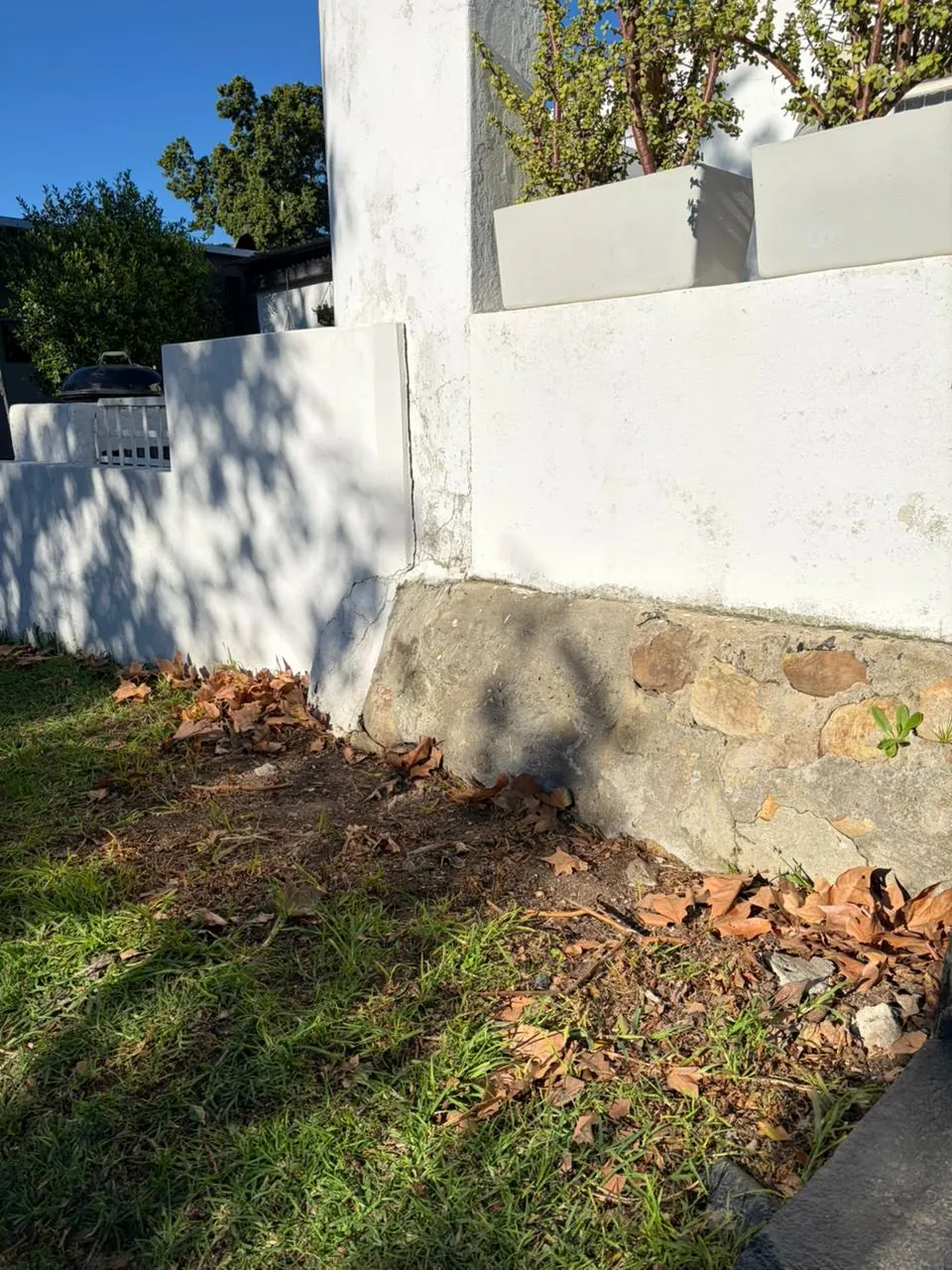
Winter rain can shift things. Look for paving that has settled, drains blocked with leaf litter, edging that has moved and any damage to walls. If you have a gabion wall, check for damaged mesh and any seedlings rooting between the stones. Small fixes now are quicker and cheaper than repairs after a hot, dry summer has made everything worse.
Keep an eye out for pests and disease
Spring is when aphids, snails and powdery mildew tend to appear. Check the growing tips of roses and new growth on soft plants, and deal with problems early, usually by hand-removing pests or a gentle spray, rather than waiting until an infestation takes hold. Water in the morning so leaves are dry by evening, which discourages fungal problems. Healthy plants in good soil with proper airflow resist most of these on their own.
A quick mid-summer check
The spring work sets you up, but it's worth a short revisit in January. Check that the mulch hasn't thinned, run the irrigation once more and look at the plants for signs of stress, such as wilting in the morning (not just the afternoon heat), leaf scorch or dry soil just below the surface. Adjust the watering if you need to, and resist the urge to feed or prune anything heavily until the heat has passed. A twenty-minute walk-round at this stage can save a plant you'd otherwise lose in February.
If you only have a weekend, do these three first
Realistically, not everyone gets through a nine-point checklist before the heat arrives. If time is tight, prioritise irrigation, mulch and fire safety clearing, in that order. A working irrigation system is what keeps everything else alive once summer hits. Mulch is the cheapest insurance against water stress. And clearing dry material away from buildings is the one item on this list that's about safety, not just appearance — the other six points can wait a few more weeks if they have to.
If you manage a larger property such as a guesthouse or wine estate, the same checklist applies, only with more ground to cover and a higher cost if something goes wrong in front of guests. We look at how to approach that in landscaping for wine estates and guesthouses, and our garden installation process guide explains how bigger changes are planned.
Rather have someone else run through the checklist? We offer once-off spring clean-ups and ongoing maintenance contracts, with no minimum commitment for a once-off job. See our maintenance FAQ or call or WhatsApp 071 719 1285.
Common Questions
More Blogs
 Guide
 Blog